


2026 Singapore Diamond Guide
Color with Caution: The Jeweler's Guide to Gemstone Engagement Rings
The Hook While the natural diamond remains the ultimate, traditional centerpiece for an
engagement ring, many modern brides in Singapore are choosing to express their individuality through
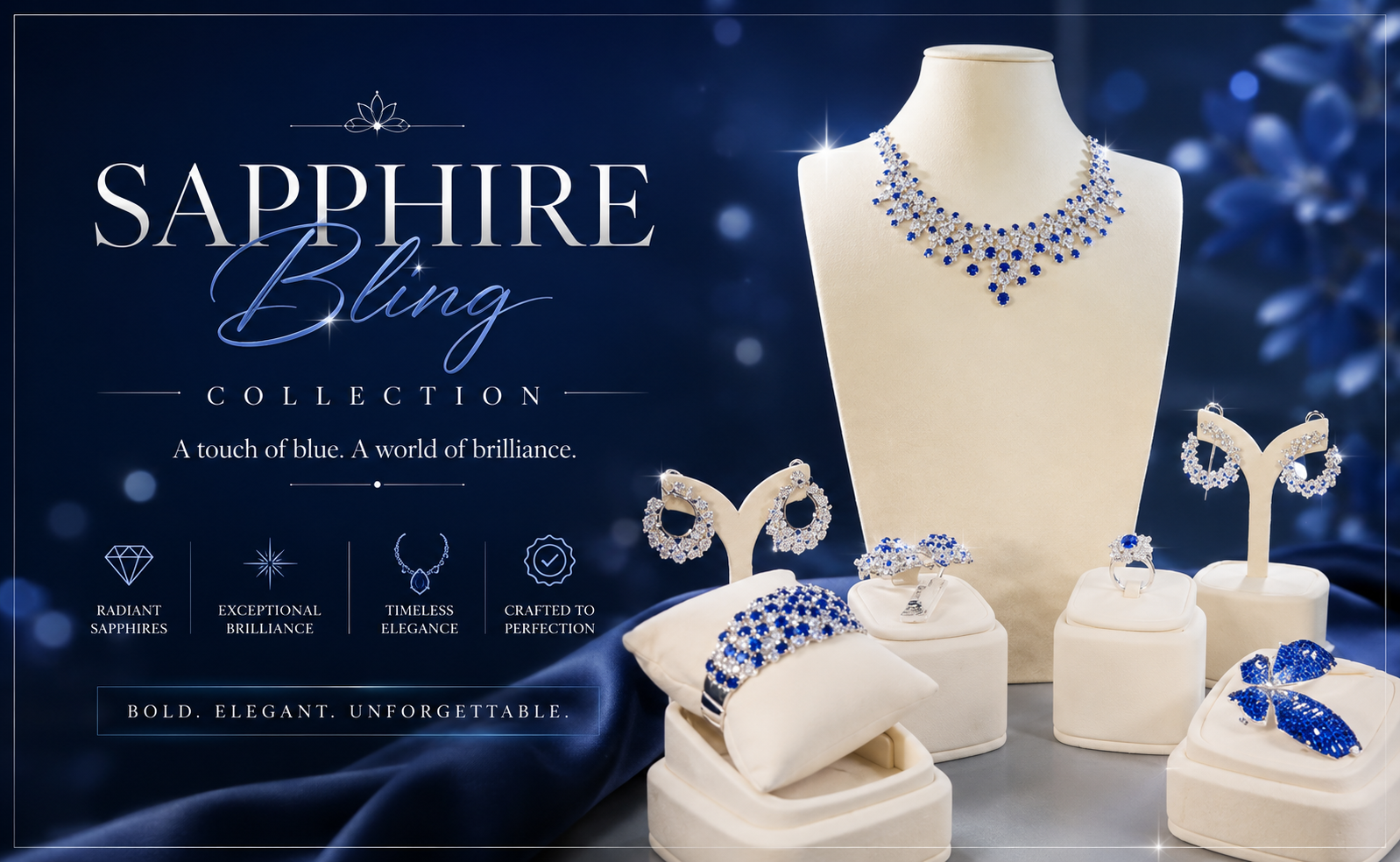
vibrant, colored gemstones. Whether it is a deep blue Sapphire, a vivid red Ruby, or a lush green
Emerald, a colored centerpiece offers a breathtaking, highly personalized aesthetic.
However, an engagement ring is not a standard fashion accessory; it is a piece of fine jewelry designed
to be worn every single day for a lifetime. Before you finalize a bespoke gemstone ring at the Dianoche
Atelier, our master jewelers want you to understand the crucial architectural and gemological
differences between diamonds and colored stones.

1. The Reality of the Mohs Scale
When designing a ring for long-term survival, the first factor we evaluate is the stone's hardness. In
gemology, a stone's resistance to scratching is measured by the Mohs scale.
The diamond is the hardest natural mineral on Earth, scoring a perfect 10. Rubies and Sapphires (both
variations of the mineral corundum) score a highly durable 9, making them excellent, robust choices for
daily wear. Emeralds, however, typically sit between 7 and 8.5, and other semi-precious stones like
Amethyst or Citrine are even softer. The lower a gemstone sits on the Mohs scale, the more fragile and
vulnerable it is to chipping, scratching, or dulling over the decades.
2. Protective Architecture
Choosing a softer gemstone is absolutely fine, provided the jewelry is engineered correctly. If you fall
in love with a softer or more affordable stone, we must strategically design the setting to protect it.
At Dianoche, this might mean utilizing a full gold bezel (a cup setting) or specialized protective
prongs to shield the vulnerable edges of the gemstone from hard, daily impacts. If the stone is highly
affordable, we even advise some clients to purchase a backup "spare" stone just in case.
3. The Jeweler's Secret: The Sizing Risk
Here is a critical trade secret that many retail stores fail to mention: resizing a gemstone
ring is incredibly risky.
Adjusting the size of a gold band requires intense heat. While diamonds (and carefully handled rubies
and sapphires) can generally withstand a jeweler's torch, softer or heavily included gemstones cannot.
Exposing stones like emeralds or amethysts to high heat will cause them to shatter or explode. To safely
resize a delicate gemstone ring, the jeweler must physically open the prongs and completely remove the
stone from its setting before applying heat, which introduces unnecessary risk to both the gem and the
gold structure.
The Dianoche Bottom Line
Because of the extreme risks involved in altering the ring later, it is absolutely vital to get
your partner's finger size exactly right from the very beginning If you are
when purchasing a colored gemstone.
At Dianoche, we focus heavily on accurate, upfront sizing to minimize any future risks to your jewelry.
We believe you should choose a gemstone based on the exact color and shape you love, but we will ensure
it is crafted with the structural integrity required to last.
Ready to explore the world of colored gemstones? Book a private consultation at our Kreta Ayer Road showroom in Singapore today, and let our experts guide you to a beautifully engineered, bespoke masterpiece.