


2026 Singapore Diamond Guide
The Evolving Reality of Lab-Grown Diamonds: Market Correction, Carbon Realities, and the Silicon Pivot
The trajectory of the lab-grown diamond (LGD) market points toward a permanent stabilization at a lower
price tier, transforming how these stones are valued both economically and culturally. Because they are
manufactured products with an unconstrained supply chain, mass production has driven wholesale prices
down by 85% to 90% in recent years. This massive influx of supply means lab-grown stones are
increasingly priced and traded based on factory output costs rather than gem-quality scarcity.
The Reality of the Secondary Market
From an economic standpoint, the secondary resale market for lab-grown diamonds remains exceptionally
weak. Jewelers and traditional luxury buying houses have little financial incentive to repurchase a used
lab-grown diamond when they can source a brand-new, structurally identical stone directly from a
manufacturer for less than the cost of the trade-in.
On peer-to-peer marketplaces, individual sellers routinely must slash asking prices to 10% to 30% of
their original retail cost to attract buyers. Once the baseline labor fees for unsetting, cleaning, and
recertifying a stone are factored in, consumers looking to liquidate lab-grown diamond jewelry
frequently face a near-total loss of equity.
Environmental Audits and Social Realities
While initially marketed as a perfectly eco-friendly alternative to mining, deeper supply chain
transparency has shifted public perception:
- The Energy Footprint: Replicating mantle-like conditions via Chemical Vapor Deposition (CVD) or High-Pressure High-Temperature (HPHT) methods requires sustaining extreme temperatures (up to 1,500°C) inside reactors continuously for weeks. Because a vast majority of global lab-grown production is concentrated in countries like China and India, these factories run primarily on coal-heavy electrical grids, resulting in a significant carbon footprint unless a facility is independently certified to run on 100% renewable energy.
- The Socioeconomic Shift: Shifting capital entirely away from natural diamond extraction impacts developing economies. In nations like Botswana, natural diamond revenues contribute significantly to the national GDP, directly funding public infrastructure, healthcare, and education. Shifting consumption entirely to factory-grown stones diverts these localized economic benefits to industrialized technology corporations.
The High-Tech Paradox and Emotional Prestige
The cultural narrative surrounding lab-grown diamonds is shifting away from traditional luxury, driven
by two primary factors:
- The Silicon and AI Pivot: Rather than consumers rejecting synthetic diamonds due to "AI fatigue," the relationship between lab-grown diamonds and the tech sector is actually deepening. Because diamond has an unparalleled thermal conductivity, advanced plasma-CVD reactors are increasingly being utilized to grow diamond substrates for high-performance AI semiconductor chips, quantum computing, and high-power optics. This industrial pivot further cements the lab-grown diamond's identity as a high-tech material rather than a rare luxury asset.
- A Return to Scarcity for Major Milestones: For highly emotional milestones like engagements, a distinct market separation has emerged. As lab-grown stones become ubiquitous and inexpensive, they lose the element of scarcity. Consequently, consumers seeking an heirloom quality or a traditional symbol of long-term financial sacrifice are turning back to natural diamonds, prioritizing earth-mined origins and historical value.
The New Role of Lab-Grown Gems
This market correction does not imply that lab-grown diamonds will lose their utility. Instead, they
have found a permanent, highly practical home as premium fashion and bridge jewelry. For high-density,
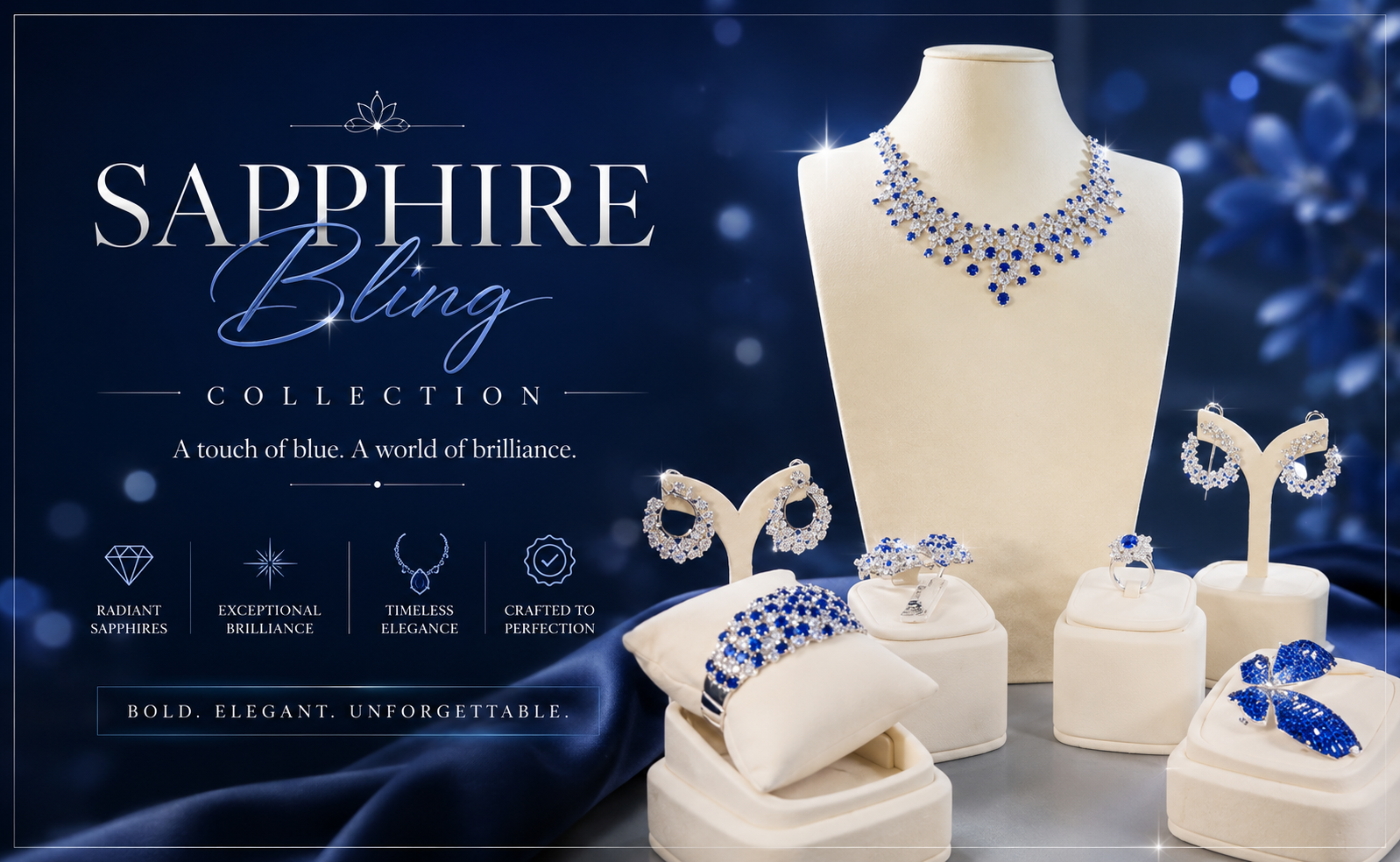
visually striking pieces—such as multi-carat tennis bracelets, large hoop earrings, or travel
jewelry—lab-grown stones offer a flawless visual impact at an accessible price point, allowing consumers
to maximize their aesthetic budget without expecting long-term financial asset preservation.